Local News
Saskatchewan harvest closes in on two-thirds complete
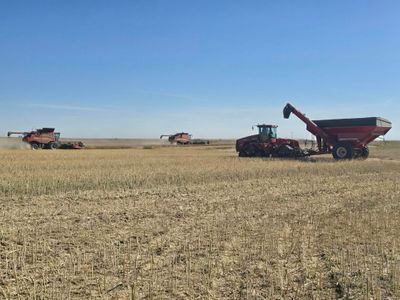
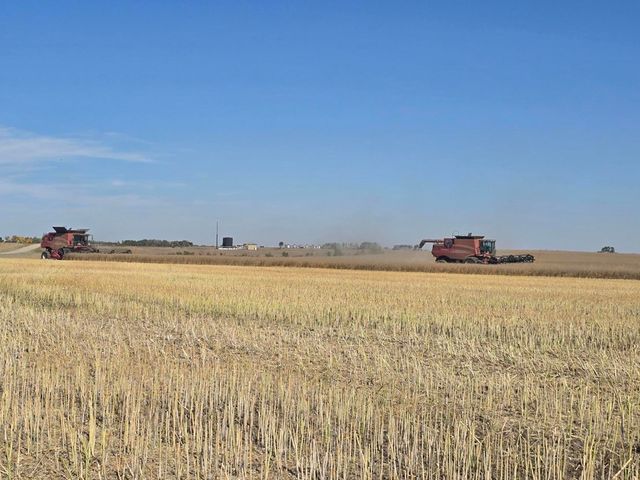
Warm, dry weather provided excellent combining conditions across Saskatchewan last week, allowing producers to make substantial progress on the 2026 harvest. An estimated 63 per cent of the provincial crop had been harvested as of Sept. 28, an increase of 22 percentage points from the previous week. Despite the progress, harvest remains behind the five-year average of 91 per cent and the 10-year average of 82 per cent. The slower pace is attributed in part to a delayed start to harvest in some areas of the province. Related Stories: West-central producers make big harvest gains Leader harvest festival brings classic rides and community fun Southwest leads provincial harvest Harvest progress is relatively consistent across Saskatchewan, with all regions continuing to make gains under the favourable conditions. The southwest region leads the province with 84 per cent of its crop harvested. West-central Saskatchewan follows at 69 per cent, while the southeast region has reached 57 per cent. The northwest region is 53 per cent complete, followed by the east-central region at 52 per cent. The northeast region has reached 49 per cent harvested. Producers across the province continue to take advantage of the warm, dry weather as harvest moves steadily toward completion. Winter cereals nearly complete Winter cereal harvest is essentially complete across Saskatchewan, with both fall rye and winter wheat reaching 100 per cent harvested. Pulse crops have also made significant progress, with 97 per cent of field peas and 96 per cent of lentils harvested. Chickpea harvest has reached 65 per cent. Among spring cereals, triticale is 97 per cent harvested, while barley and durum are both at 79 per cent. Spring wheat has reached 65 per cent and oats are 56 per cent harvested. Canary seed harvest is at 50 per cent. Oilseed harvest continues Mustard remains the most advanced of the major oilseed crops, with 84 per cent harvested. Canola harvest has reached 45 per cent, while flax is 24 per cent complete. Soybean harvest remains at 17 per cent. Limited rainfall affects moisture reserves Rainfall was limited across Saskatchewan during the reporting period, with the highest amounts recorded near Mount Pleasant at 15 millimetres and Martin at 12 millimetres. The dry conditions resulted in a marginal decrease in topsoil moisture reserves. Cropland topsoil moisture is rated at 81 per cent adequate, with 13 per cent reported as surplus and six per cent considered short. Hayland topsoil moisture is 84 per cent adequate, with eight per cent surplus, seven per cent short and one per cent very short. Pasture topsoil moisture is 81 per cent adequate, while five per cent is surplus, 12 per cent is short and two per cent is very short. Livestock water supplies remain favourable Livestock water availability remains favourable across the province, with 93 per cent of producers reporting no current or expected shortages. Six per cent reported moderate shortages, while one per cent anticipated future shortages. Concerns about livestock water quality remained limited, with eight per cent of respondents reporting issues. Algae in some water sources was identified as a primary concern. Producers also reported that adequate rainfall earlier in the season has helped maintain water supplies and keep dugouts full. Strong winds cause crop damage Most of the crop damage reported during the week was caused by high winds. Some producers reported winds strong enough to blow swaths away. Other localized damage was attributed to flooding, frost, waterfowl and wildlife. Fire risk remains elevated With warm, dry conditions continuing across Saskatchewan, the risk of machinery fires remains elevated during harvest operations. Producers are reminded to take fire prevention measures, including carrying appropriate fire suppression equipment and regularly cleaning combines and other agricultural machinery. Producers are also encouraged to use caution when operating equipment around power lines. Motorists are reminded to remain alert and use caution when sharing Saskatchewan roads with agricultural equipment as harvest continues.
















 Sun, Oct 4, 5:00 PM














 Full-time, Permanent, Communications/Media